
No Bank Account, No Easy Food: The Cash Access Problem Behind Hunger
// NO DESCRIPTION DATA
Financial exclusion is still real
Not everyone has a bank account they can use. And when you’re excluded from banking, everything becomes harder: getting paid, paying bills, and buying food consistently.
The Payment Exception Service exists, but it’s a last resort
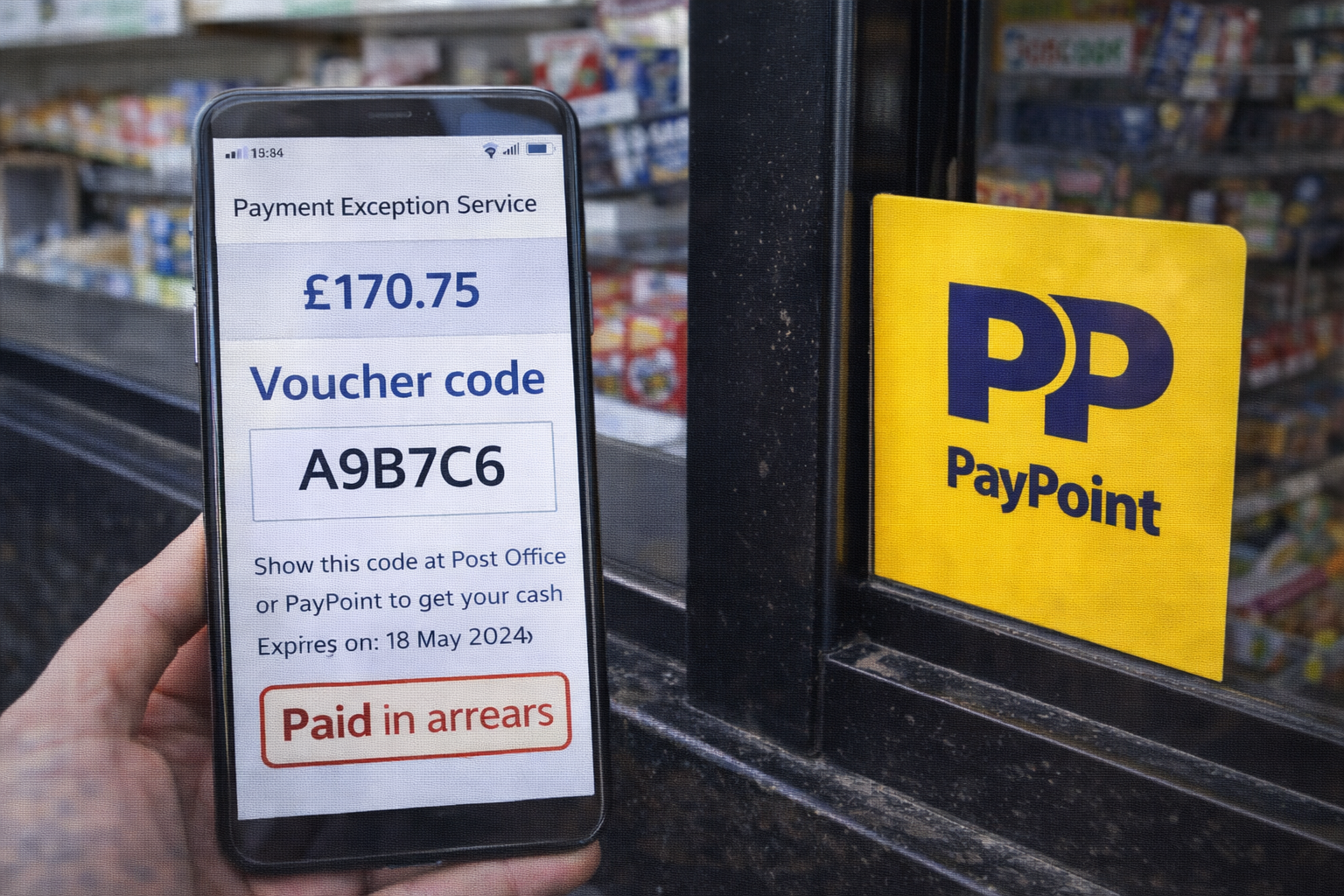
The UK has a mechanism called the Payment Exception Service, designed for people who cannot open a bank account.
It allows benefit or pension payments to be collected in cash at places like Post Office branches or PayPoint outlets.
Cash access comes with friction
This system can require voucher codes, collection steps, and practical constraints. One guide notes vouchers/codes can expire if not used within a set time window (example: 90 days).
That is fine on paper. In real life, people miss windows when they’re ill, caregiving, moving, dealing with ID issues, or simply overwhelmed.
Why this matters for food support
Food insecurity isn’t only “no money.” It’s also:
- Money arriving late
- Money being hard to access
- Money being diverted into emergency costs
When cash access fails, food is the first flexible category people cut. That’s why financial exclusion quietly drives hunger even when someone is technically “entitled” to support.
What Feed & Flow can do without overpromising
This is a strong case for:
- Funding food projects that can respond fast when payments are delayed
- Supporting advice partnerships that help people stabilise access (not just survive today)
- Designing food support that doesn’t assume everyone can do online forms, card payments, or app-based systems