
Kitchen Basics Matter: Why Missing Pans, Storage and Utensils Can Push Families Into Crisis
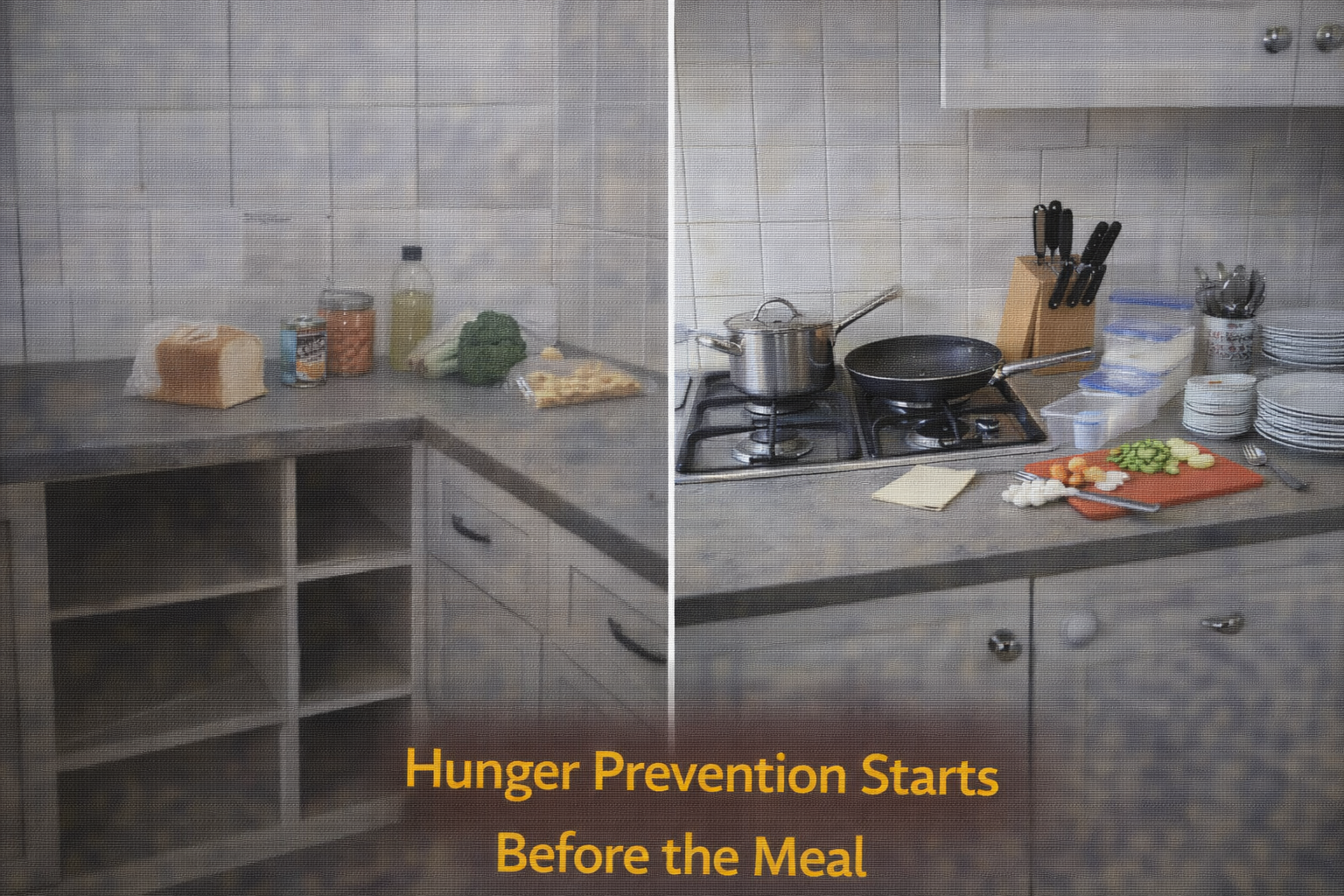
// NO DESCRIPTION DATA
Food insecurity
When people think about food insecurity, they usually picture money or food supply.
But there is another piece of the puzzle that gets ignored all the time: the basic tools needed to store, prepare and eat food safely.
A household can have ingredients and still struggle badly if it does not have working pans, decent storage containers, a sharp knife, a chopping board, a can opener, or enough plates and cutlery to make meals manageable. These are not luxuries. They are part of how food becomes usable.
A Kitchen Can Exist Without Being Functional
This is the trap.
On paper, someone may be “housed” and may technically have access to a kitchen. In reality, that kitchen may be missing half the equipment needed to cook regular meals. It may be poorly stocked after a move, a family breakdown, homelessness, domestic abuse, or a period of deep financial pressure.
When the basics are missing, people default to what requires the least equipment. That often means less variety, more processed food, more expensive convenience options and more stress around every meal.
It also makes donated or affordable food harder to use. Dry goods are no help if you have no pan. Fresh produce is harder to manage if you cannot prep or store it properly. Bigger packs are poor value if nothing can be kept safely for later.
“Just Cook” Advice Falls Apart Fast
This is why simplistic nutrition advice often misses the mark.
Telling families to cook from scratch assumes a level of stability that many do not have. The recipes may be cheap in theory, but they still depend on a functioning kitchen setup. If even one or two basics are missing, the whole thing gets harder.
Kitchen poverty is not always dramatic enough to trigger obvious emergency responses. But it steadily raises food costs and reduces choice. It turns everyday feeding into a constant workaround.
Household Essentials Are Part of Food Support
Charities and support services often understand the food side of hardship, but the household essentials side can be easier to overlook. That is a mistake.
Real food security depends on more than what is in the bag. It depends on whether a person can store it, cook it, portion it and use it without unnecessary waste or stress.
Feed & Flow should keep that whole chain in view. Supporting people well means noticing when the issue is not only food itself, but the missing everyday tools that make food possible.
Hunger Prevention Starts Before the Meal
A working kitchen does not solve poverty. But an unworkable one makes food insecurity worse very quickly.
That is why kitchen basics deserve more attention in the hunger conversation. Not as an add-on, but as part of the practical infrastructure of eating well.
Because sometimes the route out of crisis starts with something very ordinary.
A pan. A container. A table that works.